
When Your Law Office Conference Room Looks Tired, Clients Wonder What Else Slipped
A client visiting a law office may be carrying a serious problem. A family matter, business dispute, estate question, or lawsuit can make an ordinary meeting feel consequential. The client is there for legal advice, but the office environment also shapes how the visit feels.
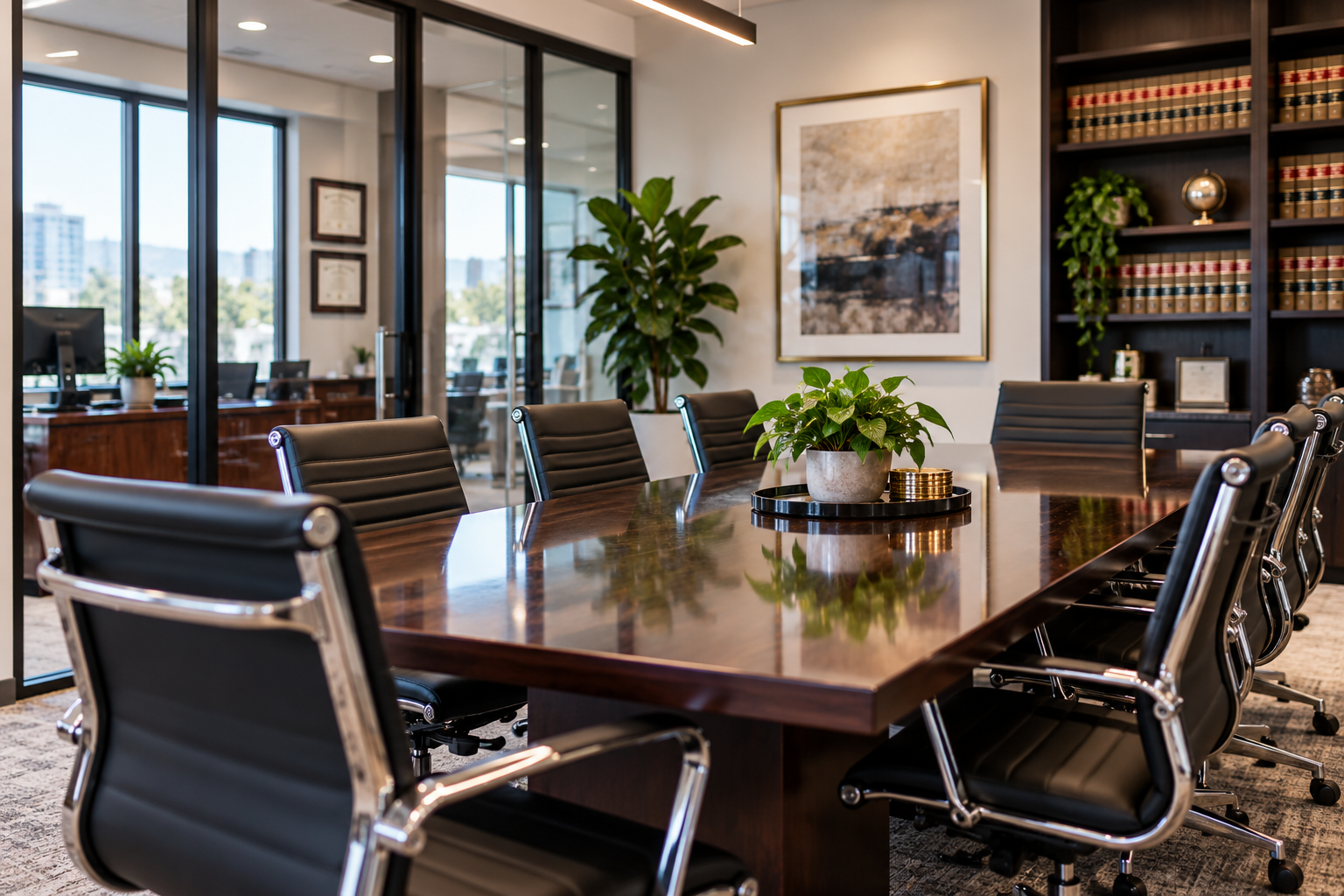
A conference table covered with water rings, glass marked by fingerprints, dusty blinds, or stained carpet can distract from an otherwise professional setting. None of these conditions proves anything about an attorney's legal ability. Still, a client who is looking for signs of organization and care may notice them.
The physical environment should support the meeting, not compete with it for attention.
The Conference Room Is Part of the Client Experience
A conference room is where clients may review sensitive documents, make difficult decisions, and discuss information they have shared with very few people. Comfort and order matter because those conversations already require concentration.
Clients notice when a tabletop feels sticky or a chair appears stained. They notice smudged glass during pauses in conversation and dusty corners when they look around. They also notice whether reception areas and restrooms match the standard of the conference room itself.
Lawcover, an Australian professional indemnity insurer for lawyers, has published guidance on client impressions and the importance of keeping offices orderly. The Canadian Bar Association has also discussed creating welcoming, client friendly office environments. These sources do not establish that an untidy room automatically causes clients to leave, but they reinforce the importance of the physical client experience.
Confidentiality Changes How Cleaning Must Be Managed
Law offices contain information that cleaning personnel should not have to interpret or handle. Client files, original documents, private notes, and sensitive correspondence may be present in offices and meeting spaces.
A responsible cleaning arrangement defines which rooms may be entered, what surfaces may be cleaned, and what items must remain untouched. Cleaning staff should not open cabinets, read documents, rearrange files, photograph materials, or decide what confidential paperwork can be discarded. Those decisions belong to authorized firm personnel under the firm's policies.
The firm should also define access arrangements, restricted areas, and what to do when a cleaner notices an unlocked room, a spill near documents, or a maintenance problem. These expectations are particularly important when work takes place outside business hours.
A janitorial provider can work within a firm's confidentiality procedures, but it does not replace the firm's responsibility for protecting client information.
The Details That Make a Room Feel Maintained
Conference tables, glass doors, chairs, and floors all show wear differently. Wood, laminate, stone, glass, and upholstery require suitable cleaning products and methods. The wrong treatment can leave residue or damage a finish, making the space look worse over time.
A regular program can include wiping appropriate table surfaces, cleaning glass, vacuuming carpets, maintaining accessible floor areas, removing waste, and caring for client restrooms. Periodic tasks may include deeper carpet and upholstery cleaning, detailed dust removal, and attention to edges and corners.
Cleaning cannot solve every problem. A cracked chair, torn carpet, or permanently damaged tabletop may need repair or replacement. Distinguishing dirt from material deterioration helps the firm maintain a professional appearance without wasting time on problems cleaning cannot fix.
After Hours Work Needs Clear Boundaries
Many law firms prefer cleaning after staff and clients have left. That can reduce interruptions, but it makes access and security procedures more important.
Who is authorized to enter? Which doors must stay closed? Are alarms involved? Where may supplies be stored? How are maintenance concerns reported? Are there meeting rooms that must be prepared for an early appointment?
These questions should be answered before work begins. Some firms may prefer certain cleaning tasks during staffed hours and others after closing. The right schedule depends on how the practice operates, not on a generic office checklist.
The Room Should Support the Work
Clients hire lawyers for professional judgment, not for polished furniture. Yet a clean, comfortable, discreet office can make the experience of receiving that judgment easier.
For firms in Pasadena, Glendale, Ontario, the San Fernando Valley, and surrounding communities, consistent upkeep helps the physical office reflect the care the practice intends to provide. Paradigm Janitorial works with commercial environments where reliable scheduled cleaning supports daily operations. The legal work remains the reason clients visit. The room should give them space to focus on it.
Sources
https://www.cba.org/resources/cba-practicelink/making-your-law-office-client-friendly/