
The Treatment Table Has Seen Patients All Day, Cleanliness Cannot Be an Afterthought
A physical therapy clinic depends on shared spaces. Patients use treatment tables, exercise mats, handrails, resistance equipment, and cardio machines throughout the day. One appointment ends, another begins, and the same room supports many different stages of recovery.
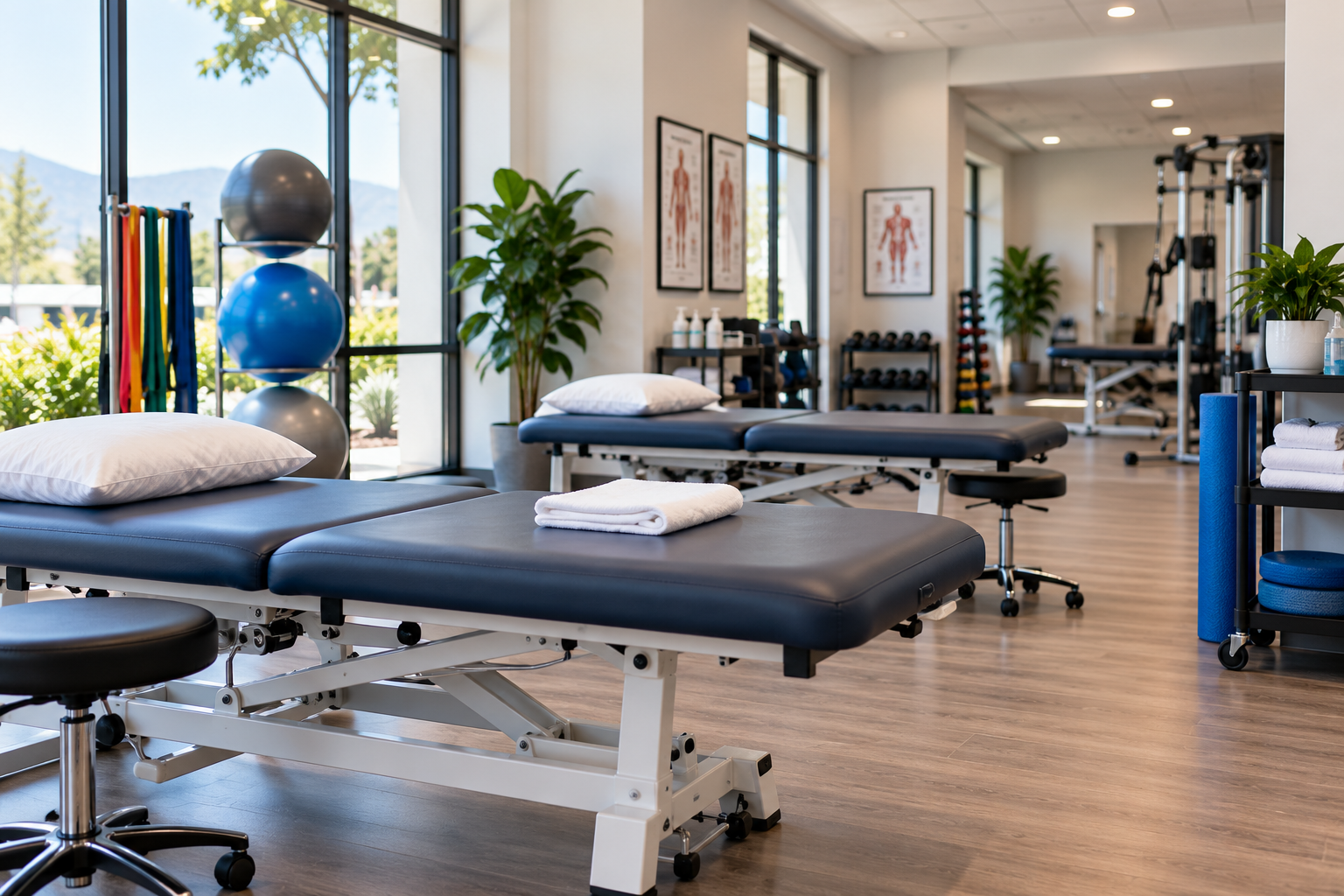
Patients trust the clinic to manage that environment carefully. Someone recovering from surgery may lie on a treatment table. Someone with back pain may exercise on a mat. A patient learning to walk comfortably again may hold the same parallel bars used by others that morning.
A visibly dirty surface or damaged piece of equipment can undermine confidence. More importantly, shared clinical equipment requires appropriate cleaning and disinfection whether or not it looks dirty.
Shared Equipment Needs More Than a Good Appearance
A treatment surface can appear clean and still require disinfection under the clinic's procedures. Visible soil and infection risk are not interchangeable, which is why the right routine must be based on applicable guidance rather than appearance alone.
Performance Health has discussed infection control considerations for rehabilitation equipment, including the challenges of shared materials and damaged upholstery. Cracks, tears, and worn surfaces may be harder to maintain properly, and some items may need replacement rather than another cleaning attempt.
Equipment manufacturer instructions and the directions on cleaning and disinfecting products matter. The appropriate product, method, and required contact time depend on the surface and the clinic's procedures.
Clinical Disinfection and Janitorial Cleaning Are Different Jobs
This distinction is essential. Disinfecting a treatment table between patients is part of the clinic's clinical workflow. Appropriately trained and designated staff must perform that work according to the facility's infection prevention procedures.
A janitorial company should not be described as replacing those clinical responsibilities. Even where tasks are contracted out, the clinic remains responsible for defining the work, ensuring appropriate training, and verifying compliance with its policies.
Janitorial services can support the surrounding environment through scheduled cleaning of waiting areas, corridors, restrooms, offices, and other spaces within an agreed scope. Clear boundaries help prevent both duplication and overlooked work.
Patients Experience More Than the Treatment Gym
A patient may arrive using a walker, cane, wheelchair, or crutches. That makes floor care especially important. Cluttered pathways, slippery residue, poorly placed supplies, and wet floors can create avoidable hazards for people whose mobility is already limited.
Cleaning schedules should account for patient traffic. Appropriate precautions are needed when floors are wet, and accessible routes should remain clear. Restrooms need consistent supply checks and maintenance. Reception counters, seating, and door handles also need attention consistent with the facility's procedures.
The waiting room matters for patients who may spend time there before or after treatment. Clean seating, manageable clutter, and well maintained restrooms can make repeated visits more comfortable.
Worn Surfaces Require a Different Response
Therapy tables and mats experience repeated physical use. Upholstery may crack, seams may split, and foam may become damaged. Routine cleaning cannot restore a surface that can no longer be maintained appropriately.
A useful inspection process distinguishes removable soil from deterioration. Staff should be able to report damaged equipment promptly, and management should decide whether repair, replacement, or removal from use is necessary under the clinic's procedures.
The same principle applies outside the treatment area. Worn seating, damaged flooring, and leaking fixtures need maintenance, not simply stronger cleaning chemicals.
Coordination Matters in a Busy Clinic
A busy outpatient practice may have little time between appointments. That makes responsibilities and schedules more important, not less. Clinical teams need reliable procedures for patient care equipment. Cleaning personnel need clear access, task lists, and safe working times for shared and nonclinical areas.
A written scope can clarify who cleans which surfaces, when the work happens, what products are appropriate, and how concerns are reported. It should also account for the clinic's patient population and operational requirements.
CORA Physical Therapy's published description of enhanced clinic precautions offers an example of how rehabilitation providers have communicated attention to cleaning and patient confidence. It is a historical example rather than a substitute for current clinical guidance.
A Well Maintained Clinic Supports Recovery
Patients return to physical therapy repeatedly, sometimes over many weeks. A well maintained environment can help those visits feel consistent and professional. It cannot replace skilled therapy, appropriate infection prevention, or good clinical outcomes, but it supports the experience surrounding that care.
For clinics across Los Angeles County and San Bernardino County, Paradigm Janitorial can support defined commercial cleaning needs while clinical staff remain responsible for patient care procedures. The goal is straightforward, a facility where patients can concentrate on recovery and staff can concentrate on providing care.