
Coordinating Renovation Cleaning and Carpet Installation
Do the main renovation cleanup before new carpet is installed, then arrange a final touchup after installation. This keeps existing construction dust away from the new carpet while allowing for the scraps, loose fibers and traffic that installation can leave behind. Confirm the sequence with the flooring installer, especially when other trades still need access.
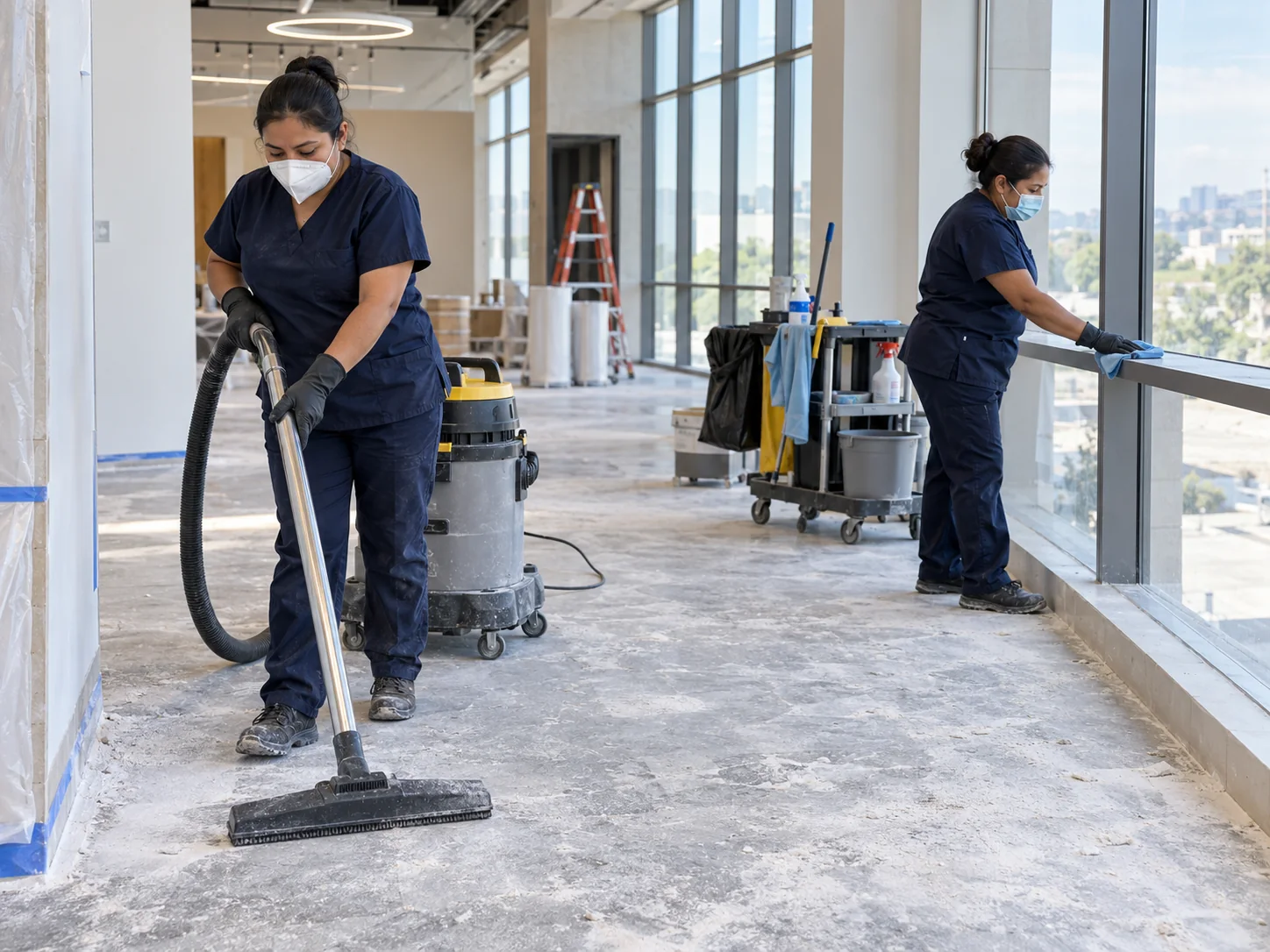
Why a single final cleaning date can be misleading
A renovation schedule may show one cleaning appointment immediately before move in. That sounds simple until carpet installation falls between the last trade visit and the arrival of furniture. Cleaning too early leaves the installer working in a space that may become dusty again. Leaving every task until afterward means the new flooring is present while older dust is being removed from ledges, cabinets and adjacent rooms.
A useful plan separates preparation from presentation. The first visit addresses the existing renovation mess. The later visit deals with what changed during installation. These visits do not have to repeat the same full scope. Write down the rooms and tasks for each stage so you can coordinate access without paying for an undefined second pass.
Finish dust producing work before bringing carpet into the room
The Carpet and Rug Institute advises completing other room remodeling, including painting, before carpet installation. It also recommends vacuuming the previous flooring and the exposed subfloor. That guidance supports a practical order: finish the dusty work, remove the remaining ordinary construction soil, and let the installer inspect the prepared area before the carpet arrives.
Ask the contractor whether sanding, drilling or cutting will continue in adjoining rooms. A room that looks finished may still be part of a trade route. If work continues elsewhere, agree on how workers will protect the completed room and keep debris from being carried through it. Ask the installer to specify the required condition of the subfloor rather than assuming that a general cleaner should repair or prepare it.
Define what gets cleaned before installation
For the initial cleanup, discuss accessible ledges, cabinet interiors, door frames, window surfaces and hard flooring in neighboring areas. Identify anything that cannot yet be cleaned, such as a freshly finished surface with a curing restriction. Confirm who removes construction waste and who handles material offcuts. A cleaning appointment should not quietly become a substitute for unfinished contractor work.
If the property has dust that may contain lead, asbestos or another hazardous material, use the appropriate qualified specialist. Ordinary renovation cleaning is not hazardous material remediation. Share any assessment or contractor instructions before the visit so the provider can identify what is outside its scope.
Make the second visit a focused installation touchup
After the carpet is installed, inspect the route used by the installers and the room itself. Agree who collects leftover packaging and scraps, then identify any remaining surface dust or marks. Follow the carpet manufacturer’s instructions for the first vacuuming and ongoing care. A new carpet does not automatically need a wet extraction treatment simply because the renovation is ending.
Before furniture arrives, check corners, thresholds and the adjacent hard floors. Keep any remaining trade activity visible in the schedule. If someone must return to adjust a door or complete trim, decide whether that happens before the touchup or whether the finished area needs protection and another limited check afterward.
Give everyone the same handover plan
Send the contractor, installer and cleaning provider one short sequence with confirmed access times. Include the rooms being handed over, the tasks still outstanding and who can authorize a change. This prevents a cleaner from arriving while flooring is still being installed or an installer from assuming that construction debris has already been removed.
For example, a property manager can schedule the main cleanup after painting is complete, carpet installation after the room is released by the contractor, and a focused touchup before furniture delivery. The exact dates depend on the project. The important decision is the order and the work assigned to each visit, rather than choosing one appointment and hoping it covers every stage.
Resources
- Carpet and Rug Institute, installation tips
Guidance on completing remodeling and preparing flooring before carpet installation.
- EPA, indoor air quality during remodeling
Background on controlling dust and separating renovation work from occupied areas.